Explanation
Soil is not an inert powdered rock or empty anchoring medium for roots; it is a dynamic, living ecosystem that underpins all terrestrial biodiversity and food security. A single tablespoon of fertile topsoil houses billions of individual microorganisms—bacteria, actinomycetes, mycorrhizal fungi, protozoa, and nematodes—working in symbiotic cooperation with plant root hairs. Appreciating this biological architecture helps gardeners build sustained fertility without resorting to synthetic chemical fertilisers.
Soil Composition: Minerals, Pores, and Organic Fraction
An ideal garden loam consists of approximately 45% weathered mineral particles, 25% air pore volume, 25% plant-available capillary water, and 5% organic matter. The relative proportion of sand, silt, and clay determines fundamental physical behaviour.
- Sand (0.05–2.0 mm): Coarse granular particles with large interconnected macropores. Water drains freely and oxygen penetrates deeply, but nutrient retention is low.
- Silt (0.002–0.05 mm): Fine floury particles produced by glacial grinding and river deposition. Silt feels silky when wet and retains moisture evenly.
- Clay (<0.002 mm): Microscopic mineral platelets with enormous electrostatic surface area. Clay binds tightly to essential cations (calcium, potassium, magnesium), but compacts easily when wet, restricting drainage.
Texture vs. Structure: Why Aggregates Matter
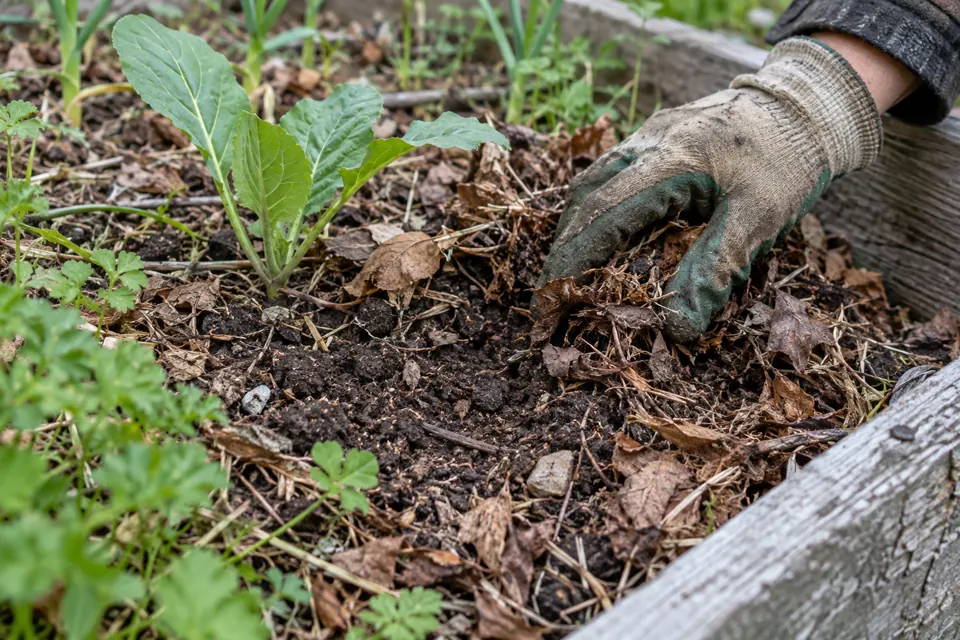
Soil texture is the immutable percentage of sand, silt, and clay determined by regional geology; you cannot easily transform clay into sand. However, soil structure—the way those mineral particles clump into crumbs called aggregates—can be dramatically enhanced or destroyed by human management. Soil microbes and fungal hyphae secrete sticky organic compounds like glomalin, cementing particles into porous, sponge-like aggregates.
| Soil Texture | Field Tactile Test | Drainage & Aeration | Nutrient Capacity (CEC) | Compaction Vulnerability | Recommended Management |
|---|---|---|---|---|---|
| Sandy Loam | Gritty feel; crumbles easily when rolled into ball | Fast drainage; frequent leaching | Low to moderate | Very low risk | Apply surface compost and mulches regularly to retain moisture |
| Clay Loam | Smooth, sticky; rolls into flexible ribbon >4 cm | Slow percolation; risks standing puddles | Very high nutrient buffer | Severe when stepped on or worked wet | Never dig when saturated; top-dress with compost and coarse bark |
| Silty Loam | Floury when dry; soapy slick feel when wet | Moderate drainage; holds water well | High moisture and nutrient buffer | Moderate; crusts on surface after heavy rain | Keep surface covered with living roots or leaf mulch |
| Balanced Loam | Crumbly, spongy; rolls briefly then fractures | Optimal balance of air and capillary water | Excellent balanced buffer | Low to moderate | Minimal disturbance; annual surface top-dressing of organic compost |
The Soil Sponge: Organic Matter and Earthworms
Soil organic matter (SOM) is the ultimate buffer against environmental volatility. A 1% increase in SOM in the top 30 centimetres of soil enables the land to hold an additional 180,000 litres of water per hectare. This biological sponge absorbs torrential downpours that would otherwise trigger topsoil erosion while supplying steady moisture throughout summer dry spells.
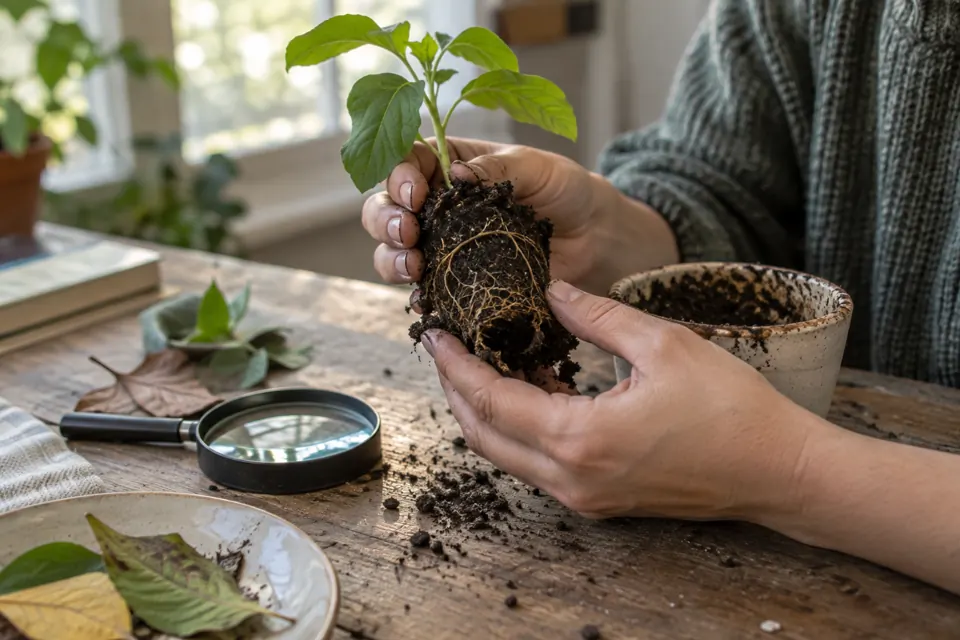
- Living roots exude carbohydrates into the rhizosphere, feeding mycorrhizal fungal networks that expand root uptake area by up to 700%.
- Earthworms ingest organic debris and mineral particles, excreting nutrient-dense casts while excavating continuous vertical drainage channels.
- Surface mulch acts as a shock absorber, cushioning the soil against rain impact and preserving soil temperature extremes.
Look before you amend
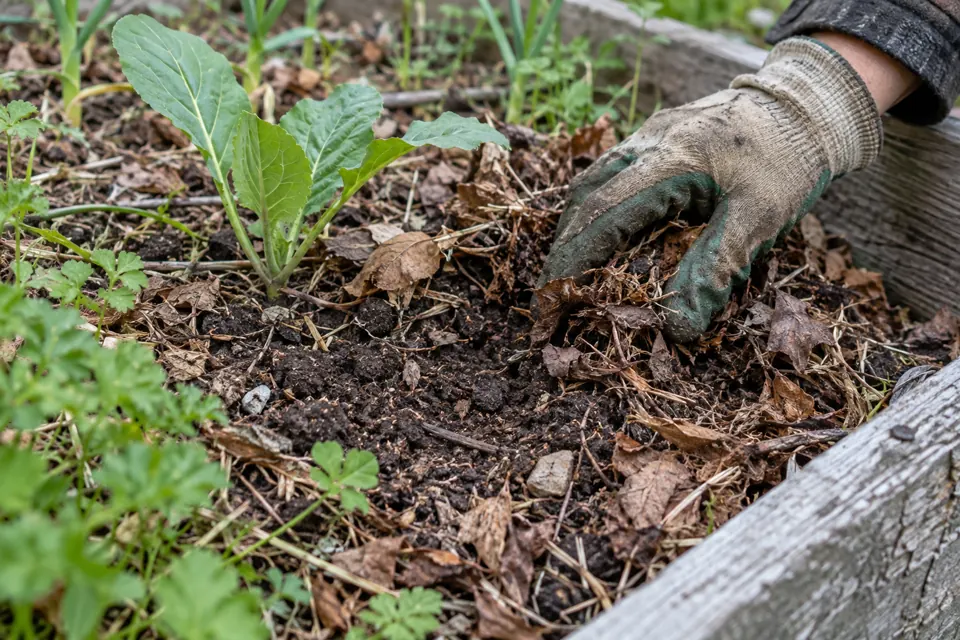
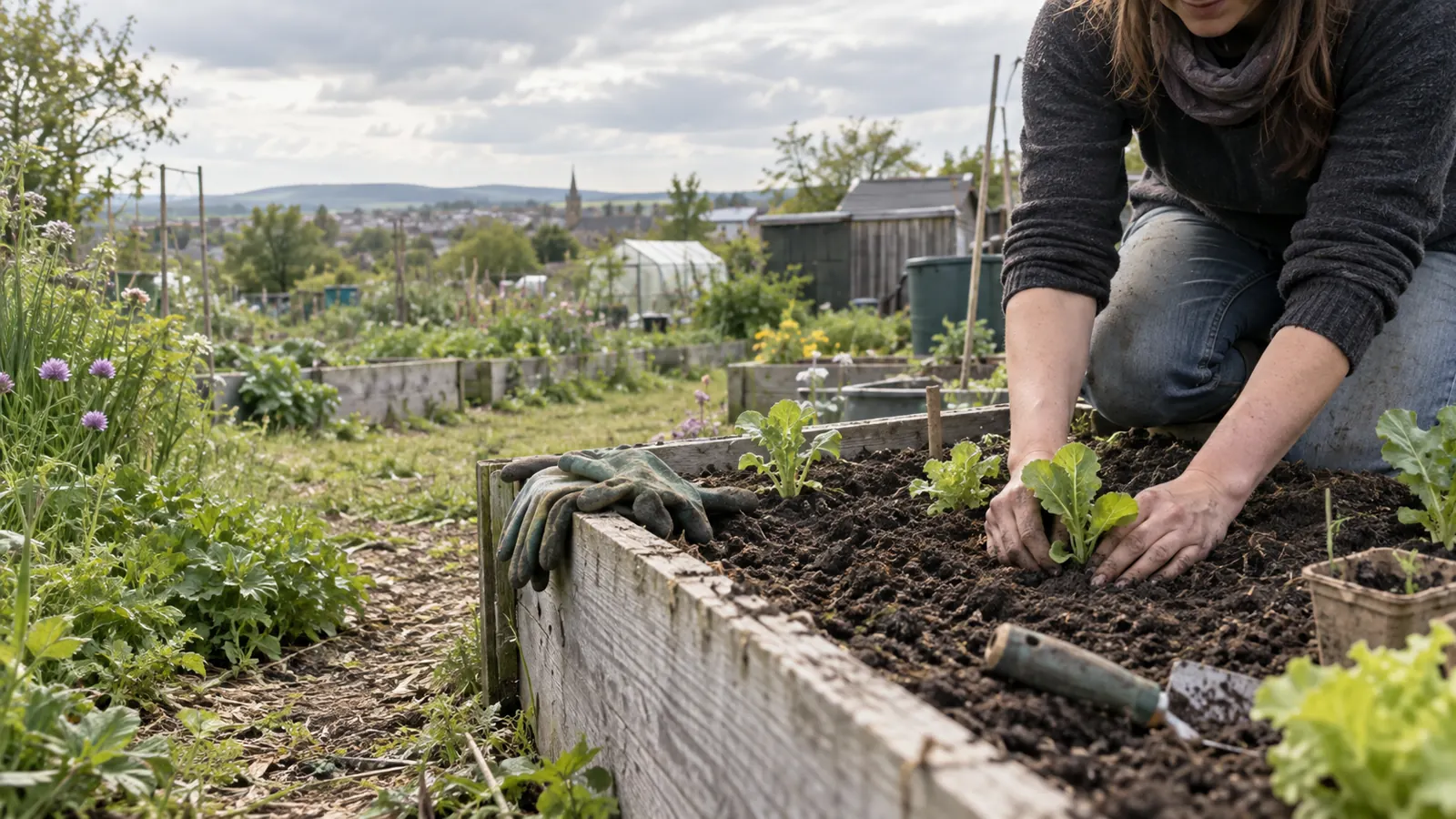
- Notice whether a handful crumbles, smears or stays compacted when moist.
- Look for roots, small organisms and channels rather than treating their absence as a diagnosis.
- Watch where water pools after rain and where it runs away.