
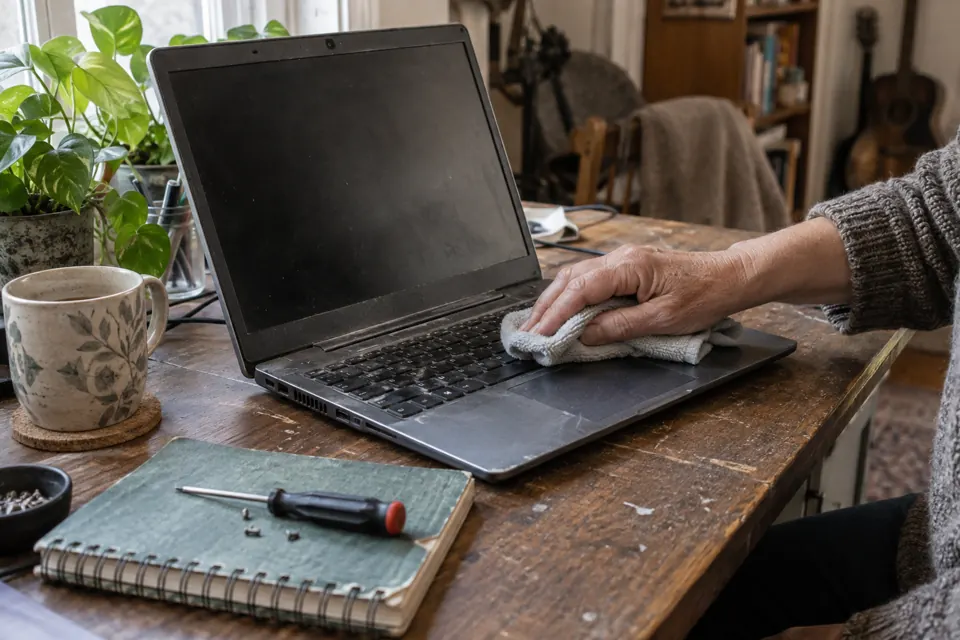
Comfort & energy use
Notice discomfort and demand before choosing equipment.
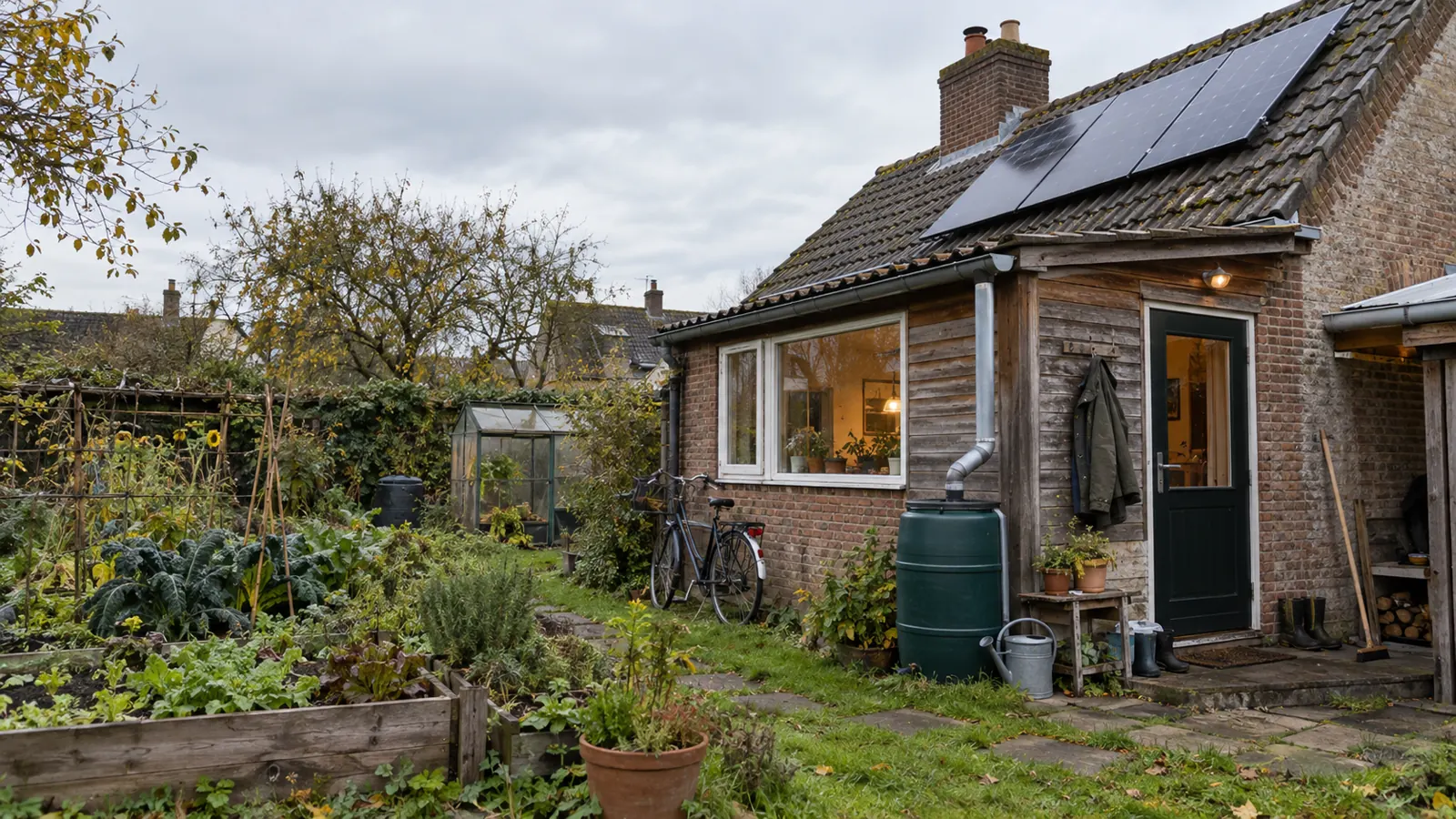
Sustainable Home
Start with comfort and the basics. Consider solar, batteries or off-grid systems only after understanding the home they need to serve.
Sustainable Home priorities
Comfort and demand come first; generation and storage make more sense after them.
Notice discomfort and demand before choosing equipment.
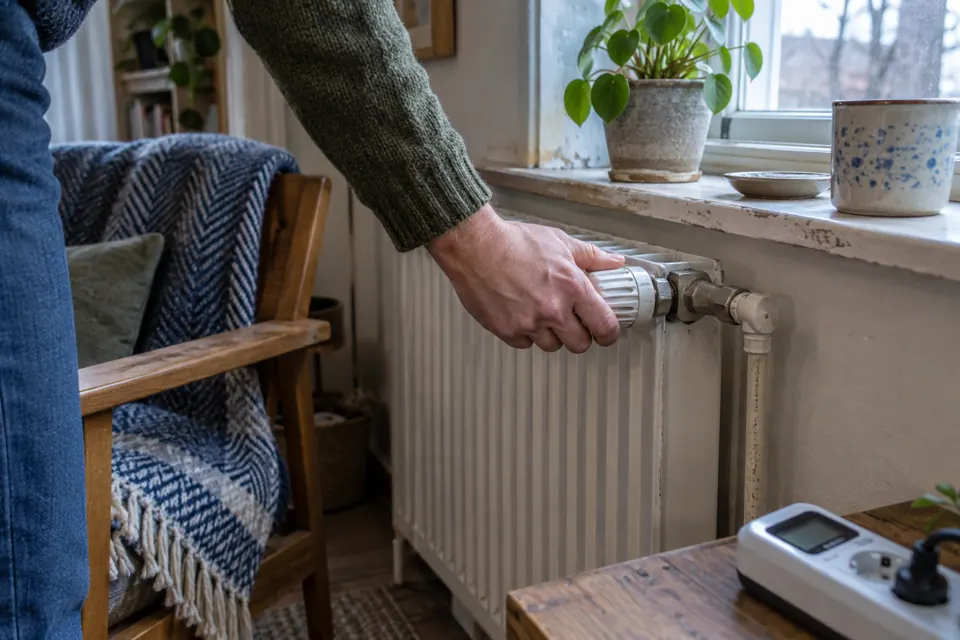
Comfort, shade, ventilation, insulation and efficient systems work together.
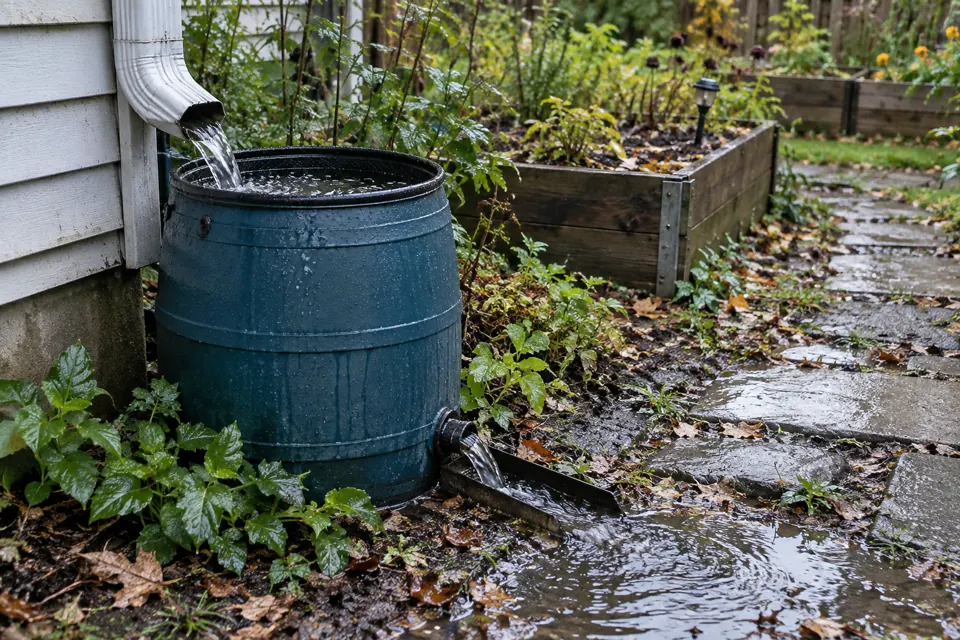
Use less, slow down rain, and learn what your local water system needs.
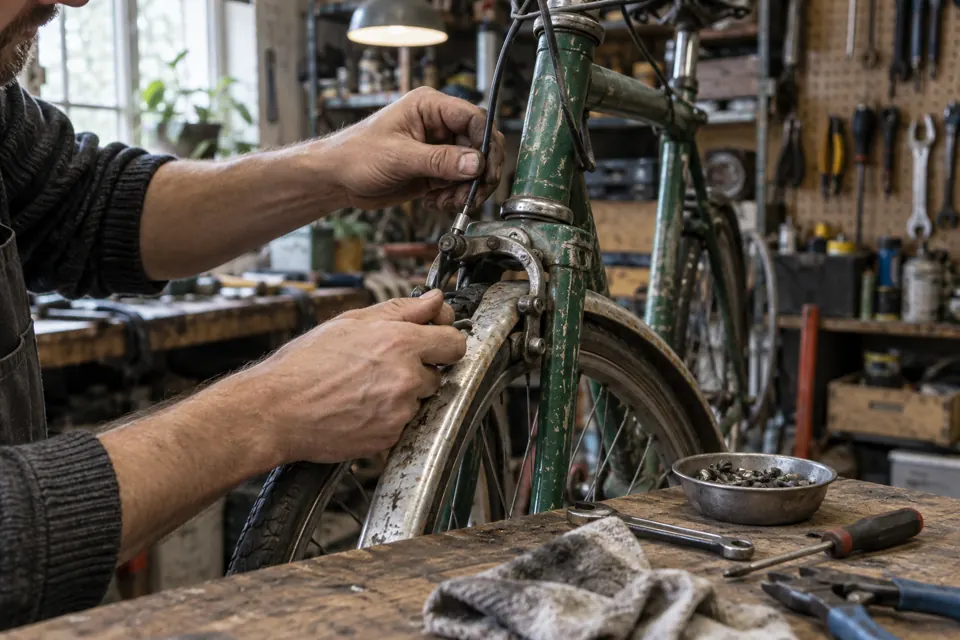
Choose durable, repairable, and lower-impact materials where you can.
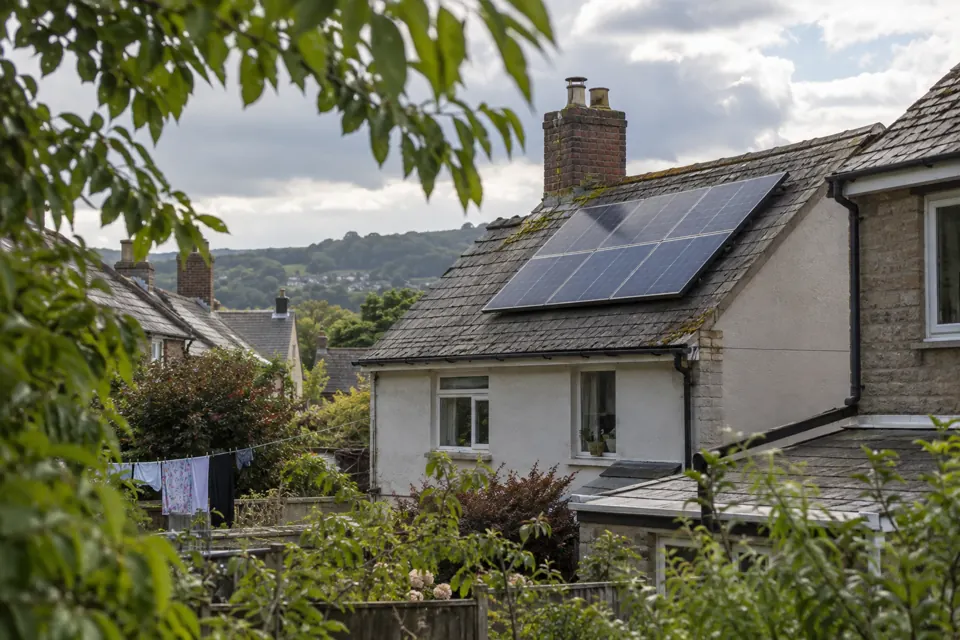
Use a modelled estimate as a starting point for better local questions.
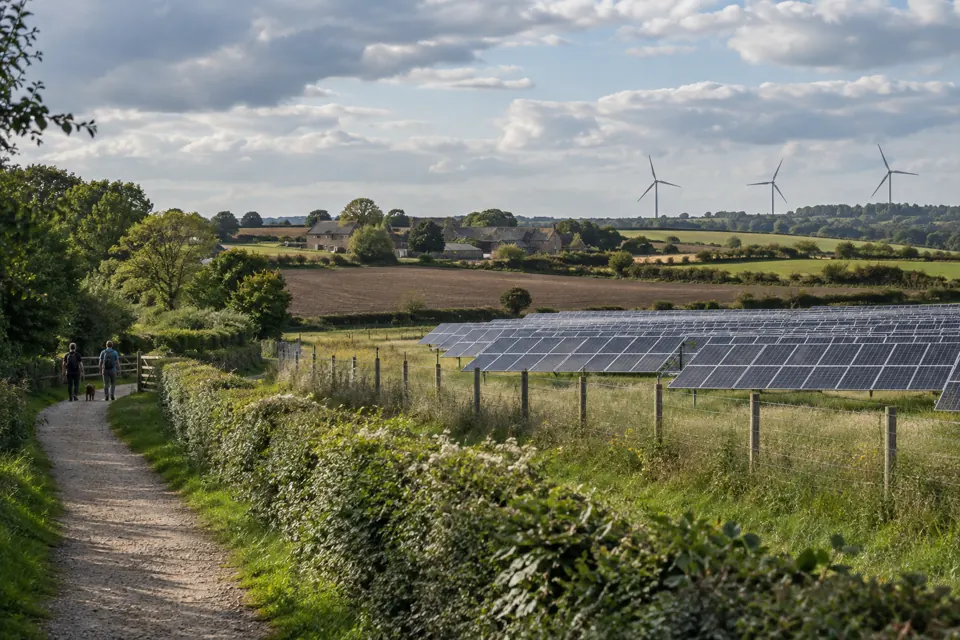
Understand storage, backup needs and material trade-offs before buying.
Could solar work here?
Choose a place and an approximate system size. PVGIS returns a modelled estimate of yearly output and seasonal shape — useful for a conversation, not a quote.
Optional deeper path
Solar, batteries, water storage and insulation can build resilience, but each has material, safety, planning and local-service constraints.
Sustainable Home lessonsActions and resources
EnergyFind the devices that are always on, then change one habit or setting.
Try thisEnergyUse a location-based estimate to understand the shape of sunlight across a year.
Try thisWaterWatch one rainfall and sketch the paths, puddles, drains, and places where water could soak in.
Try this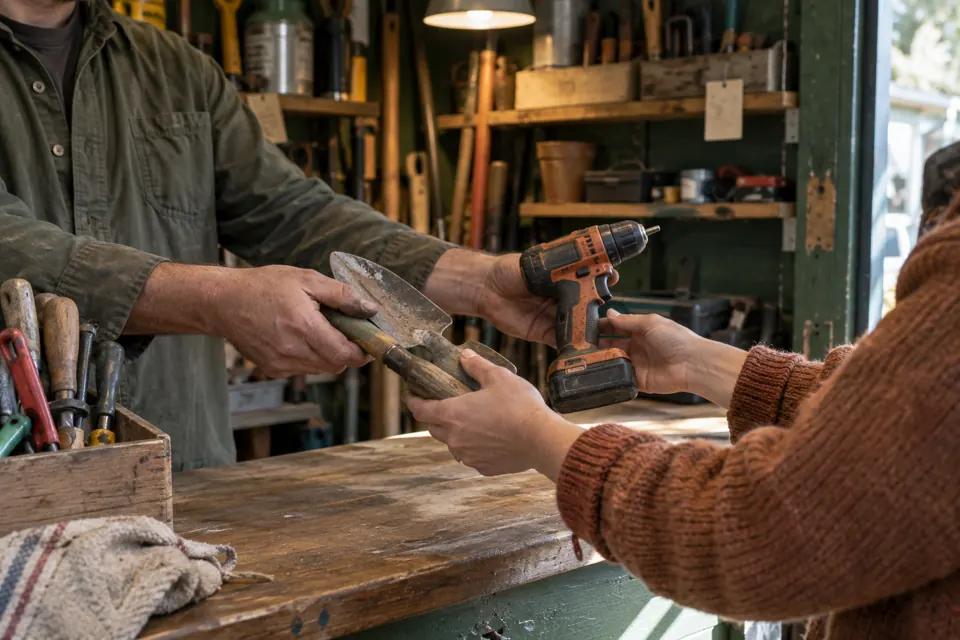 Circular living
Ask a neighbor, library, or community workshop whether a rarely used tool can have more than one owner.
Try this