
Explanation
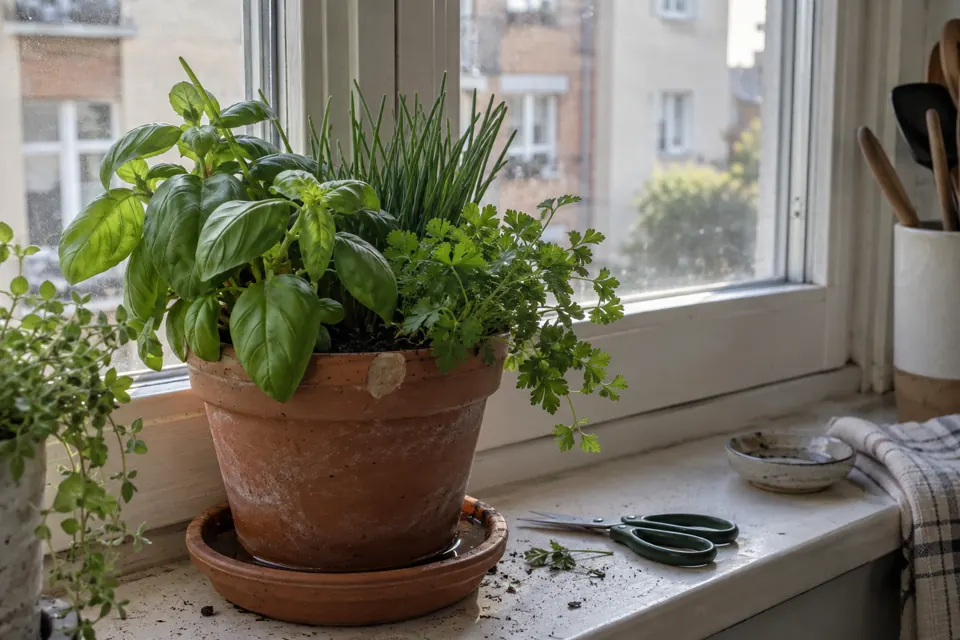
Growing your first edible crop is less about achieving immediate household self-sufficiency and more about making living ecological dynamics tangible in daily life. Watching a dry seed hydrate, germinate, unfold cotyledons, and develop true leaves builds an intuitive understanding of photosynthesis, transpiration, and root respiration. Even a modest apartment windowsill, balcony railing, or shared doorstep planter is sufficient to yield aromatic culinary herbs and tender greens while transforming how you experience fresh food.
Assessing Light: The Primary Limiting Factor
Sunlight powers plant metabolism. Before choosing seeds or purchasing pots, track how sunlight tracks through your space across a complete sunny day. Windows that appear brightly illuminated early in the morning may fall into complete shadow by midday when neighboring walls or rooflines block the solar arc.
- South-facing exposures receive the longest duration of intense, direct sunlight—ideal for Mediterranean culinary staples including sweet basil, thyme, rosemary, and oregano.
- East-facing windows provide gentle morning rays that warm foliage without the harsh scorch of late afternoon, creating optimal conditions for delicate leafy greens like rocket, spinach, and baby lettuces.
- West-facing spots experience intense late-day heat; shallow containers dry out rapidly, requiring moisture-retaining potting mixes and afternoon screening during heat waves.
- North-facing windows receive diffuse ambient illumination only, which suits shade-tolerant plants like chives, wild garlic, or spearmint, though growth will be slower.
Selecting Beginner-Friendly Crops
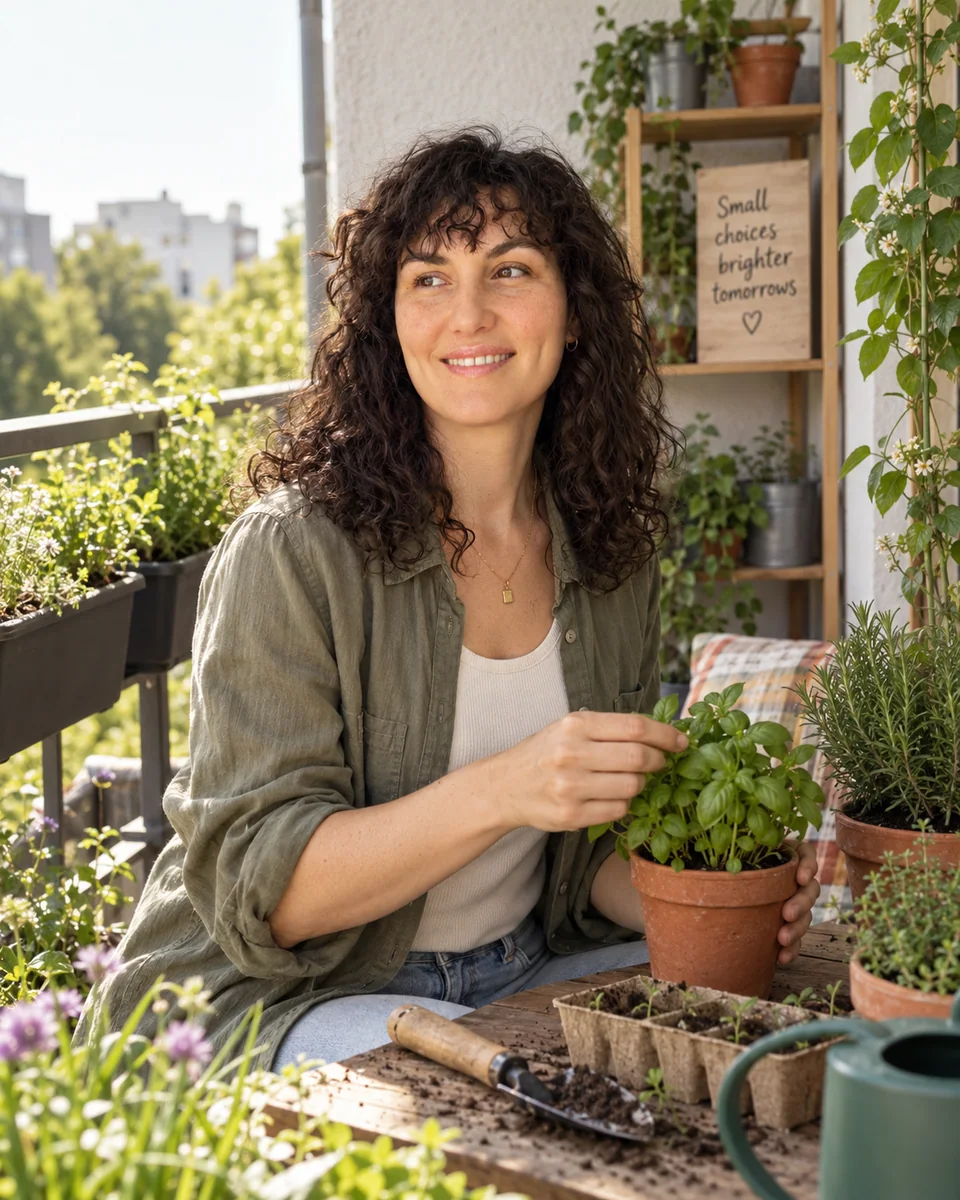
Early growing success relies heavily on choosing varieties that mature rapidly, tolerate minor handling inconsistencies, and yield continuous harvests. Fast-growing annual herbs and salad greens provide swift feedback, establishing practical confidence before you tackle complex, slow-fruiting crops like tomatoes or chillies.
| Crop | Light Requirement | Germination Window | First Harvest | Minimum Pot Depth | Watering Strategy |
|---|---|---|---|---|---|
| Sweet Basil | Full sun (6+ hrs direct) | 5–10 days | 28–35 days | 15–20 cm | Allow surface to dry; water deeply from base |
| Chives | Partial to full sun | 7–14 days | 40–50 days | 12–15 cm | Consistent moderate moisture; highly resilient perennial |
| Loose-Leaf Lettuce | Partial sun (3–5 hrs) | 3–7 days | 25–30 days | 15 cm | Evenly damp; protect from hot afternoon scorch |
| French Breakfast Radish | Moderate sun (4+ hrs) | 3–5 days | 21–28 days | 15–18 cm | Steady moisture prevents woody, cracked roots |
| Spearmint | Partial sun to shade | 10–14 days | 30–40 days | 20 cm (isolated) | Enjoys moisture; always isolate pot to contain vigorous roots |
| Flat-Leaf Parsley | Partial to full sun | 14–21 days | 45–60 days | 20–25 cm | Deep taproot; requires steady moisture and patience |
Containers, Root Aeration, and Drainage
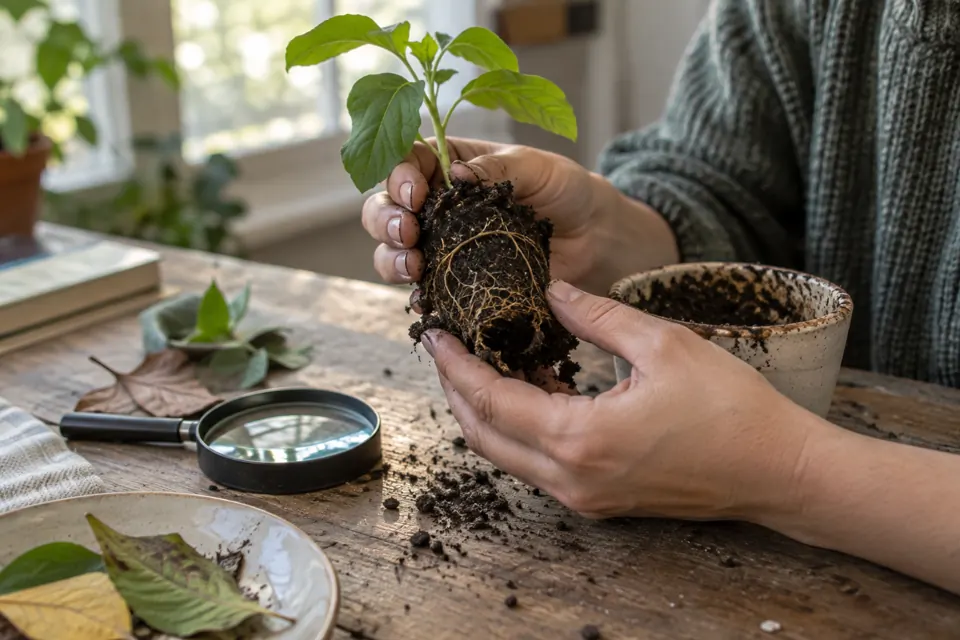
Unlike open garden beds where surplus water disperses naturally through surrounding soil, container environments are closed hydraulic systems. Stagnant moisture pooling at the bottom of a pot rapidly displaces oxygen, suffocating root cells and causing root rot within days.
- Ensure every container has multiple unobstructed drainage holes. Elevate pots slightly with risers or saucers so excess water drains freely away from the base.
- Never fill pots with dense garden backyard topsoil; it compacts inside containers into an impermeable brick. Always use high-quality peat-free potting compost amended with perlite, coco coir, or fine bark.
- Match container material to your climate: porous terracotta allows air exchange through pot walls (drying faster in humid regions), while glazed ceramic or recycled plastic holds moisture longer during dry heat.
Watering by Touch Rather Than a Calendar
Watering according to an arbitrary calendar schedule (such as 'every Tuesday and Friday') is the most common reason container herbs fail. Plant water uptake varies constantly based on temperature, relative humidity, plant size, and cloud cover.
- Use the two-knuckle finger test: insert your index finger 2 to 3 centimetres into the soil. If it feels cool, dark, and damp, hold off. If it feels dry and warm, water thoroughly until liquid drips into the saucer.
- Assess pot weight: lift the container before and after watering to develop a physical sense of when moisture has evaporated.
- Water the soil, not the foliage: wetting leaves encourages fungal mildew and wastes water through surface evaporation.
Harvesting: The 'Cut-and-Come-Again' Technique
Harvesting should stimulate ongoing growth rather than strip the plant bare. For leafy crops like salad greens, harvest only the outer mature leaves, leaving the central growing tip intact to produce successive foliage. For branching herbs like basil and mint, pinch stems just above a set of leaf nodes; this stimulates dormant side buds to branch, turning a single stalk into a bushy, productive plant.