Explanation
Transitioning global energy away from fossil fuels involves more than substituting power plants; it requires rethinking how electricity is generated, transported, stored, and consumed. Solar photovoltaics and wind turbines convert renewable environmental kinetics into electricity with zero direct emissions, but their variable nature means an integrated grid also requires flexible storage, transmission, and responsive demand.
Three ideas to keep separate
- Generation is the energy produced by a source at a time and place.
- Storage shifts energy across time; it does not create energy.
- Efficiency and demand reduction can lower the amount a system needs to supply.
Clean Generation and Storage Modalities
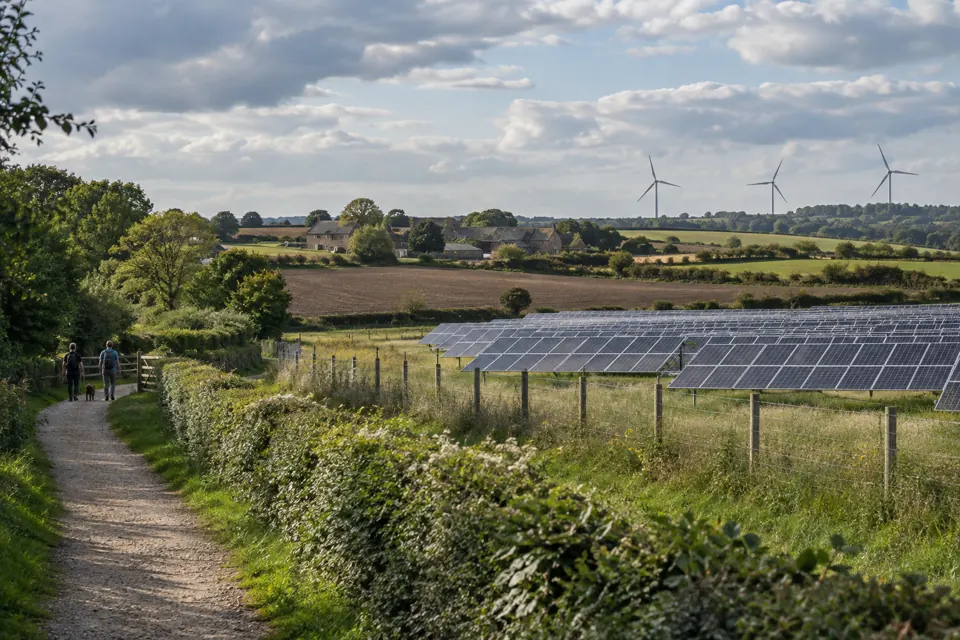
Different renewable technologies fulfill distinct roles across electrical grids, from distributed rooftop microgeneration to utility-scale seasonal balancing.
| Technology | Primary Grid Role | Weather Sensitivity | Capacity Factor Range | Key Advantage / Limitation |
|---|---|---|---|---|
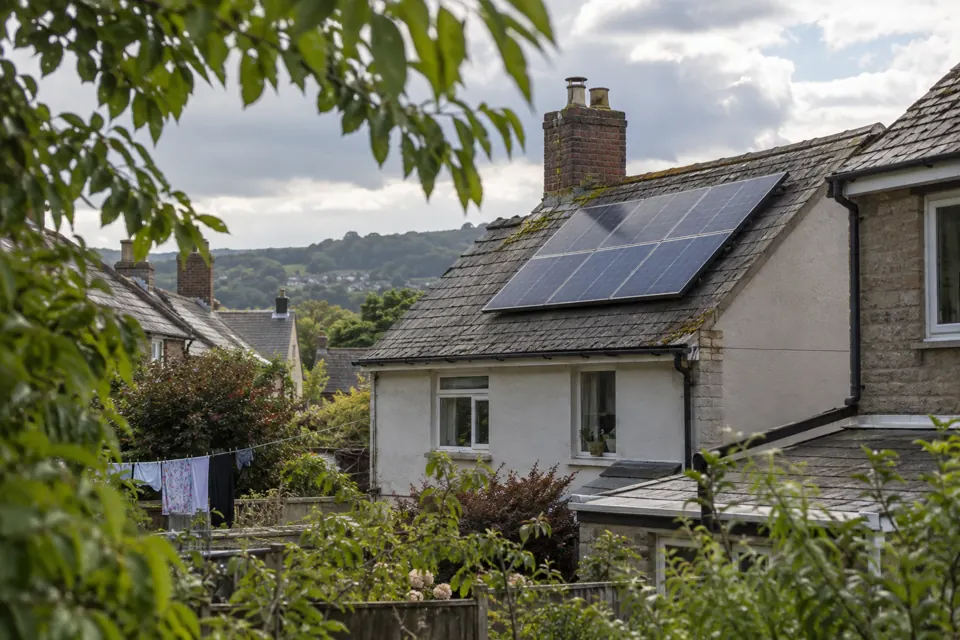
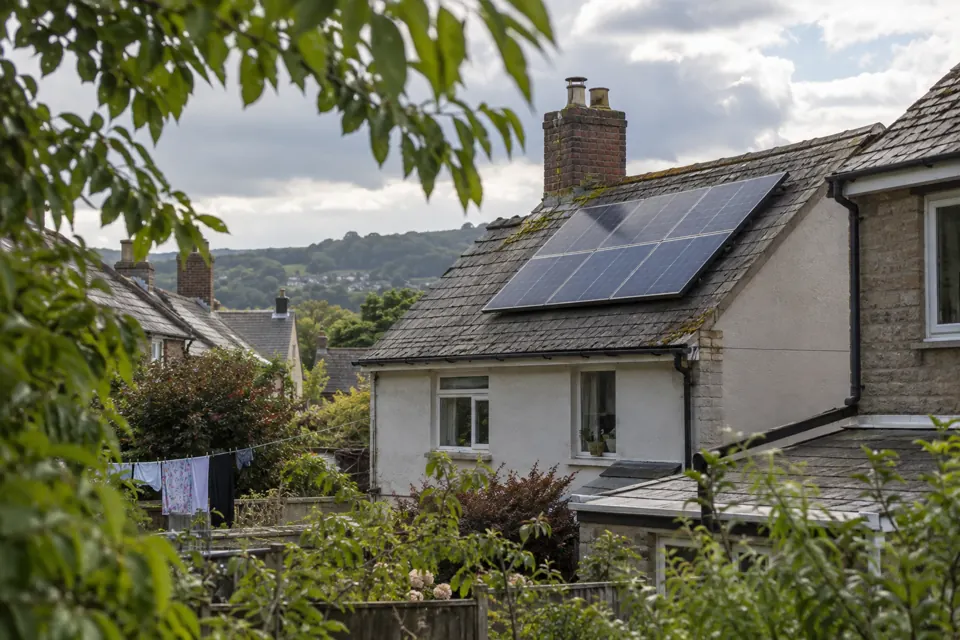
| Rooftop Solar PV | Distributed generation; reduces local transmission losses | Daylight dependent; seasonal peak in summer | 12–22% | Installed directly on existing roof space; zero land footprint |
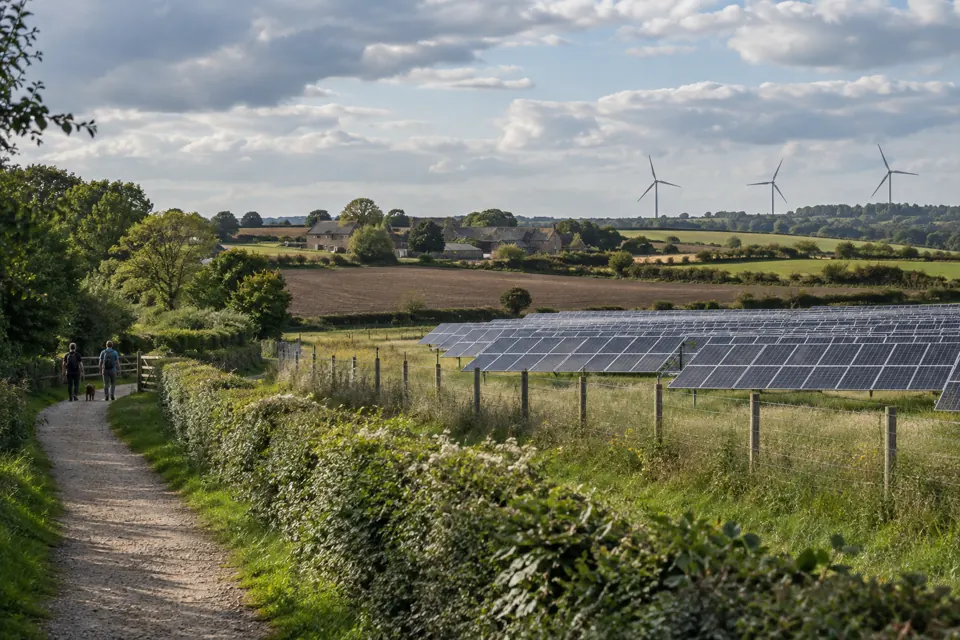
| Onshore & Offshore Wind | Bulk grid generation; high capacity in winter months | Wind speed dependent; higher offshore yields | 30–55% | High output during winter when heating demand peaks; visual impact |
| Battery Storage (Lithium / Sodium) | Fast-response frequency regulation & hourly shifting | None (charged by grid/solar) | 85–92% roundtrip | Sub-second response time; limited to 2–8 hour storage duration |
| Pumped Hydroelectric Storage | Bulk multi-day energy storage and black-start capability | Requires water elevation gradient | 70–80% roundtrip | Long asset lifespan (50+ years); geographical site constraints |
| Heat Pumps & Thermal Storage | Electrification of space heating and cooling | Ambient air/ground temperature | 300–450% COP | Supplies 3–4 kWh of heat for every 1 kWh of electricity consumed |
Reading the Evidence: Energy vs. Electricity Share
Official statistics must be interpreted with their precise definitions. A country might report that 60% of its grid electricity comes from renewables, while its overall renewable energy share sits at 25%. This discrepancy exists because total energy consumption includes transport fuels, industrial process heat, and domestic gas heating.