
Explanation
A sustainable home is not a showroom of complex smart gadgets. It is an everyday living environment where thermal comfort, indoor air quality, acoustics, and energy flows are balanced to support human well-being with minimal environmental impact. Sustainable living starts by tuning your building fabric, eliminating unnecessary losses, and establishing healthy habits before investing in capital-intensive hardware.
The 'Fabric-First' Efficiency Hierarchy
The cleanest and cheapest kilowatt-hour is always the one you never have to generate. Modern building physics prioritizes thermal performance in four logical tiers:
- Air tightness & draught exclusion: Eliminating uncontrolled cold air infiltration around window sashes, door frames, and floorboard gaps.
- Insulation & thermal bridging: Adding thick continuous insulation to lofts, rooflines, and cold exterior walls to slow conduction heat loss.
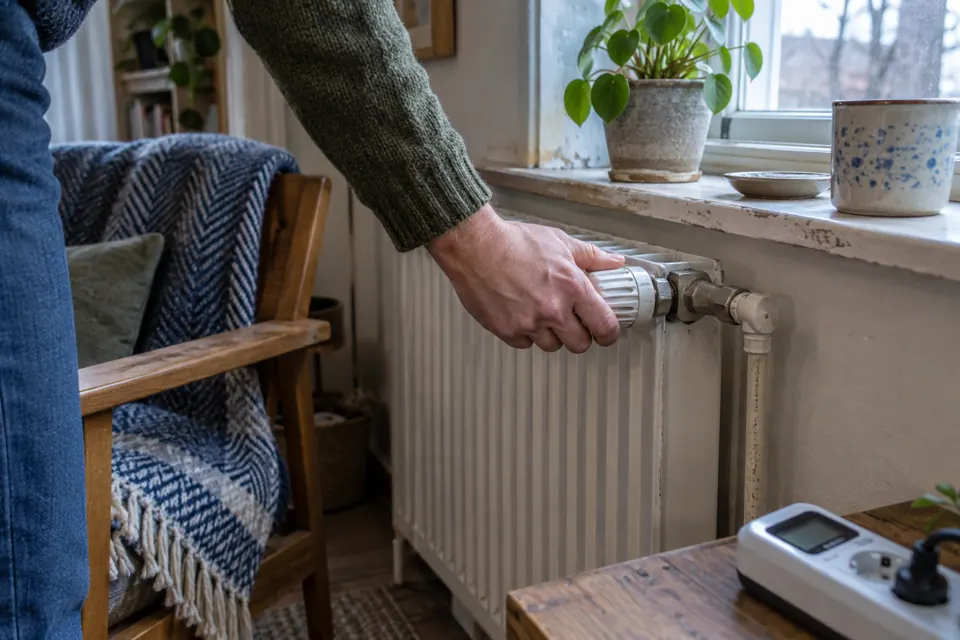
- Distribution efficiency: Bleeding radiators, balancing hydraulic pipework, and insulating hot water storage tanks.
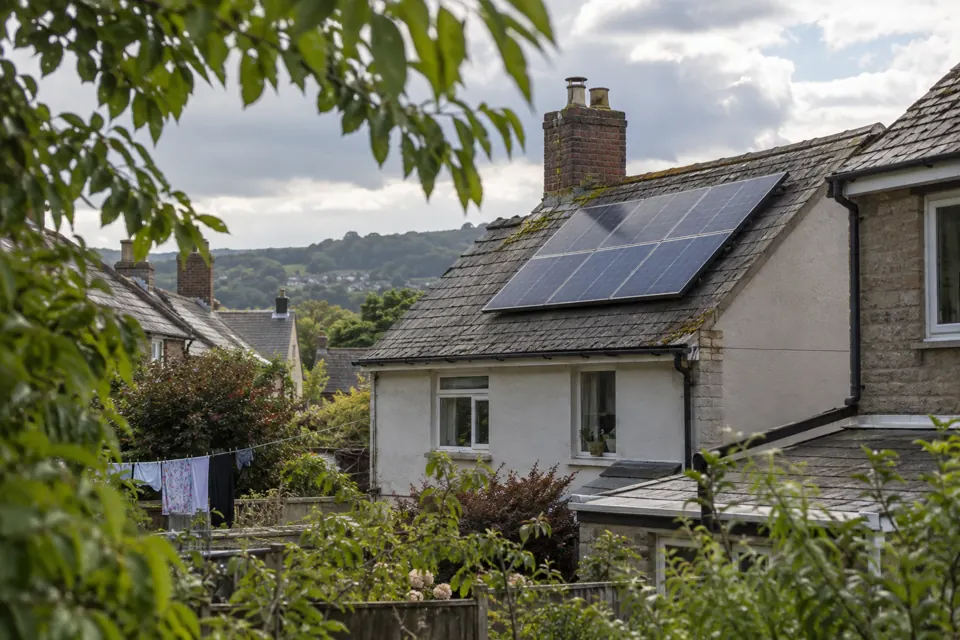
- Clean generation: Installing heat pumps, rooftop solar PV, or mechanical ventilation with heat recovery (MVHR) once base heat demand is lowered.

Thermal Comfort: Air Temperature vs. Radiant Temperature
Perceived warmth is governed by Mean Radiant Temperature (the surface temperature of surrounding walls, floors, and glass) combined with air velocity and relative humidity (ideally 40–60%). A room heated to 21°C with cold 13°C single-glazed windows and draughty floorboards feels colder than a draught-free 19°C room with warm insulated walls.
| Intervention | Primary Mechanism | Typical Energy Saving | Cost Tier | DIY Feasibility | Comfort Impact |
|---|---|---|---|---|---|
| Draught-Proofing Doors & Windows | Eliminates infiltration convection currents | 5–10% of space heating | Low (under £50) | High (self-adhesive foam/silicone strips) | Immediate elimination of localized chills |
| Radiator Bleeding & Balancing | Restores full hydronic heat transfer surface | 3–8% heating efficiency | Zero (using radiator key) | High (straightforward valve adjustment) | Even heat distribution across rooms |
| Loft & Attic Insulation (300 mm) | Prevents rising conductive heat loss through ceiling | 15–25% total heating load | Moderate | Moderate to professional install | Substantially warmer upper floors and lower bills |
| Radiator Reflector Panels | Reflects infrared heat back into living space | 2–5% per external wall | Low | High (foil sheets fitted behind panels) | Prevents heat radiating directly into brickwork |
| Phantom Load Elimination | Switches off standby vampire power | 5–10% electricity baseload | Low (smart power strips) | High (plug-and-play) | Reduced electric baseload overnight |
Start with the biggest discomfort
- Notice rooms that are too hot, too cold, damp or noisy.
- Check simple settings, draughts, shading and maintenance before assuming new equipment is the answer.
- Ask an independent local adviser about permissions, safety and likely costs.
Radiator Health and System Optimization
Hydronic radiators heat rooms primarily through convective air currents. Trapped air pockets prevent warm water from filling the upper section of the radiator, leaving the top half cool while the bottom remains warm. Bleeding trapped air with a simple valve key restores full thermal output in minutes.