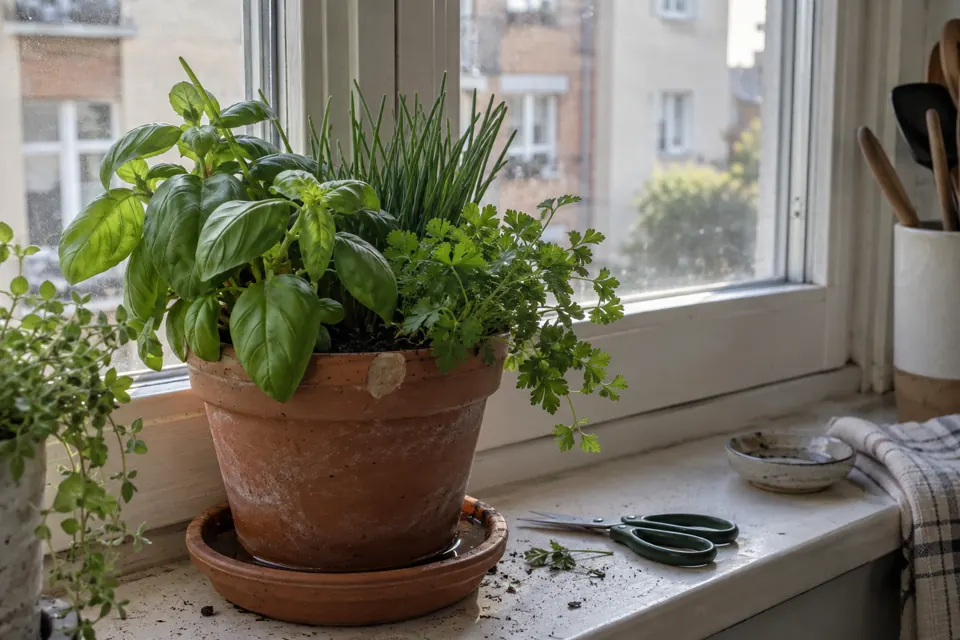
Try it like this
Grocery shelves often make food available outside the local harvest season. That convenience can involve different choices about transport, storage, heating, irrigation, and packaging; the environmental picture depends on the crop, its origin, and how it was produced. A seasonal ingredient is a simple way to notice those connections without treating one shopping choice as a complete footprint calculation.
Embracing Regional Abundance and Flavor
Eating seasonally is not an exercise in deprivation. It is a way to follow the changing availability of a place, try ingredients when they are plentiful, and build a relationship with local growers or markets. Price and quality still vary, so treat a seasonal calendar as a guide rather than a rule.
- Ask a grower, market seller, or community garden what is plentiful locally this week.
- Incorporate whole vegetables—including tender stems, nutrient-rich skins, and edible foliage—to curb domestic kitchen waste.
- Check a trusted food-safety or storage guide before keeping fresh produce at room temperature.
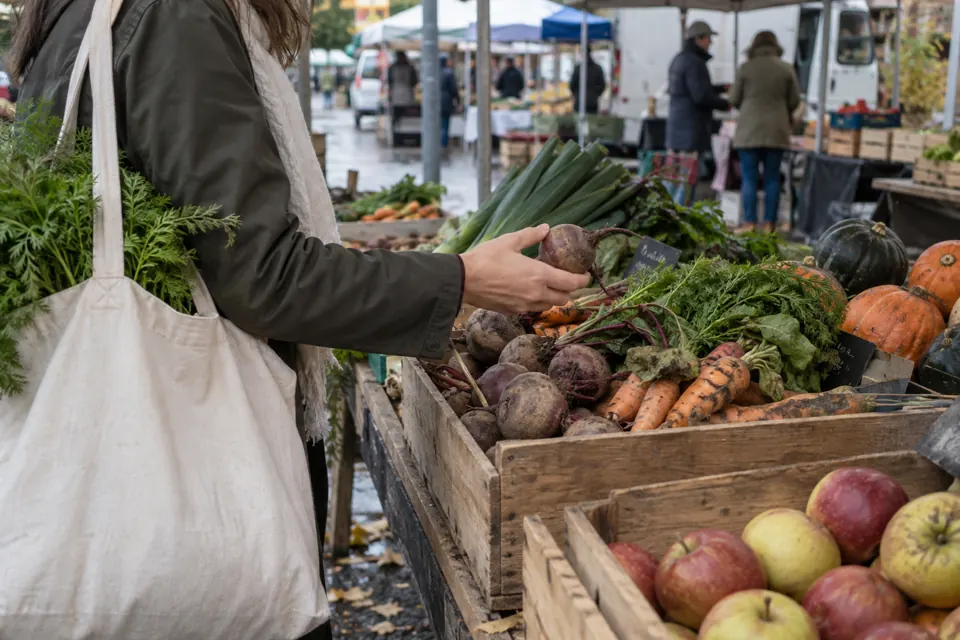
Whole-Ingredient Cooking and Simple Preservation
A significant proportion of household food waste consists of edible plant parts discarded out of habit: broccoli stalks, beet tops, herb stems, and carrot peels. Peeling tough outer skins from broccoli stalks reveals a tender, sweet interior perfect for stir-fries, while beet and turnip tops sautéed with garlic make an exceptional leafy side dish.
| Produce Group | Peak Northern Season | Whole-Vegetable Technique | Simple Storage / Extension Method |
|---|---|---|---|
| Brassicas (Kale, Cabbage, Cauliflower) | Autumn through late winter | Chop and sauté tender stalks; roast whole leaves with oil | Lacto-ferment shredded cabbage into crisp sauerkraut |
| Root Crops (Beets, Carrots, Parsnips) | Autumn and winter storage | Scrub clean rather than peel; sauté fresh beet greens | Store in a cool dark container with damp sand or crisper bin |
| Leafy Greens & Soft Herbs | Spring into early summer | Blend woody herb stems into flavorful pesto or herb oils | Store standing upright in a small glass of water in the fridge |
| Summer Solanaceae (Tomatoes, Peppers) | Mid to late summer | Simmer whole tomatoes with skins into rich pasta sauce | Roast peppers in batch and freeze covered in olive oil |
The whole-vegetable cooking experiment
- Visit a neighborhood farmers market, greengrocer, or food coop and select one in-season vegetable with its greens attached.
- Prepare a recipe that incorporates both the main vegetable and its commonly discarded greens, stems, or clean skins.
- Note the difference in culinary flavor and the reduction in kitchen compost scrap compared to standard supermarket preparation.
Try it like this
Try it like this
- Ask a local grower or market seller what is plentiful right now.
- Use the whole ingredient where possible, including stems, leaves, or peels.
- Save leftovers safely and write down what you would repeat.