
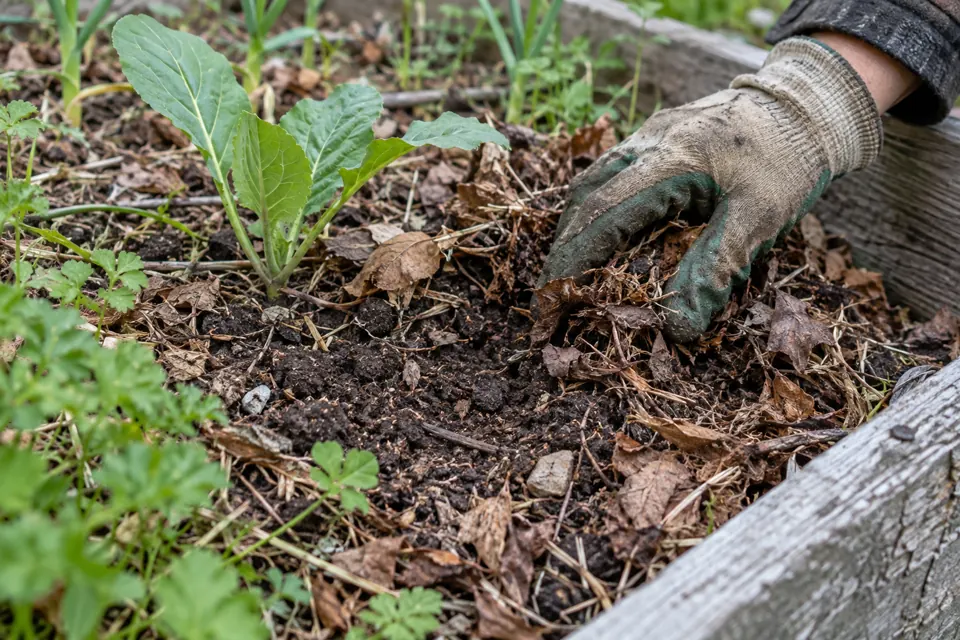
Healthy soil begins with a relationship, not a score
A practical introduction to observing structure, moisture, roots, and the life already present in a growing space.
FAO soils portalRead original
Discover
Sustineer follows a small set of trusted sources, explains why a development may matter, and sends you to the authoritative original. These cards are summaries—not copied articles.
Two tracks, one purpose. From Sustineer is original work that can grow into reviewed guides. Worth knowing is curated third-party material with a clear source link.
Curated, explained, linked
Short Sustineer explanations of selected official material.
A practical introduction to observing structure, moisture, roots, and the life already present in a growing space.
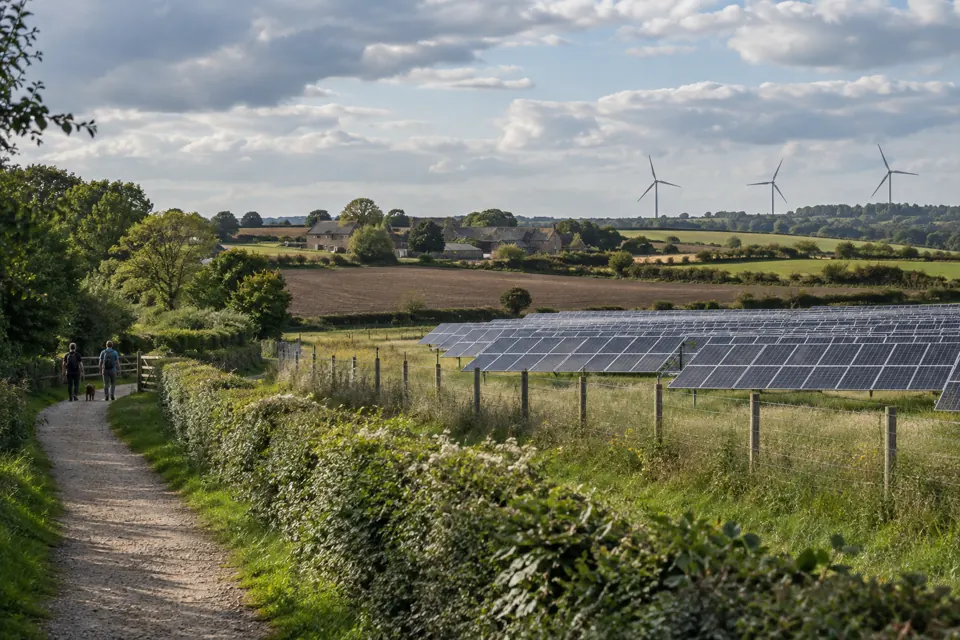
From a rooftop panel to a community solar project, follow the simple questions that turn a big system into a next step.
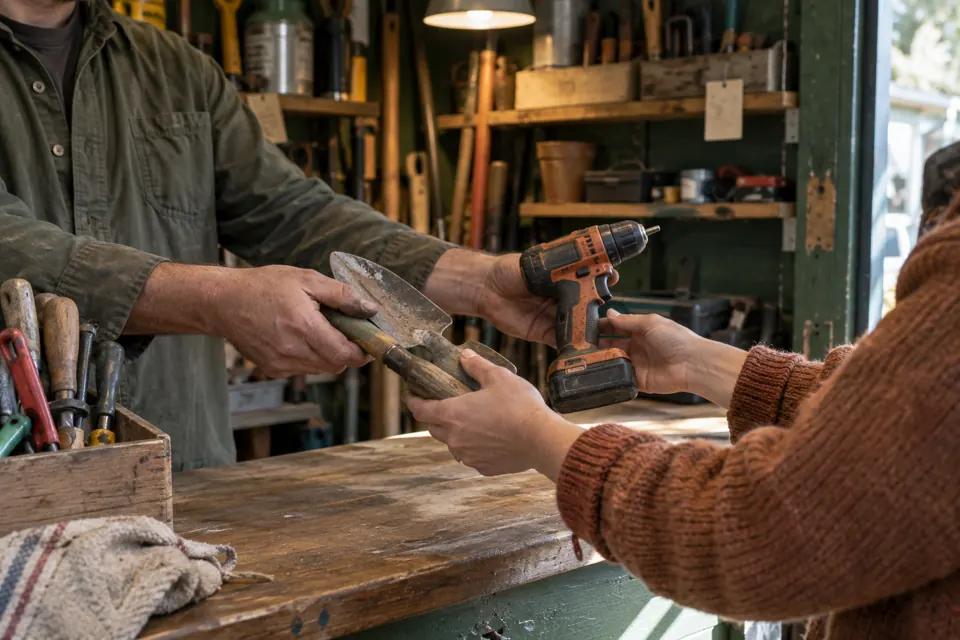
Repair cafés, refill shops, libraries, and second-hand networks turn infrastructure into an invitation to share.
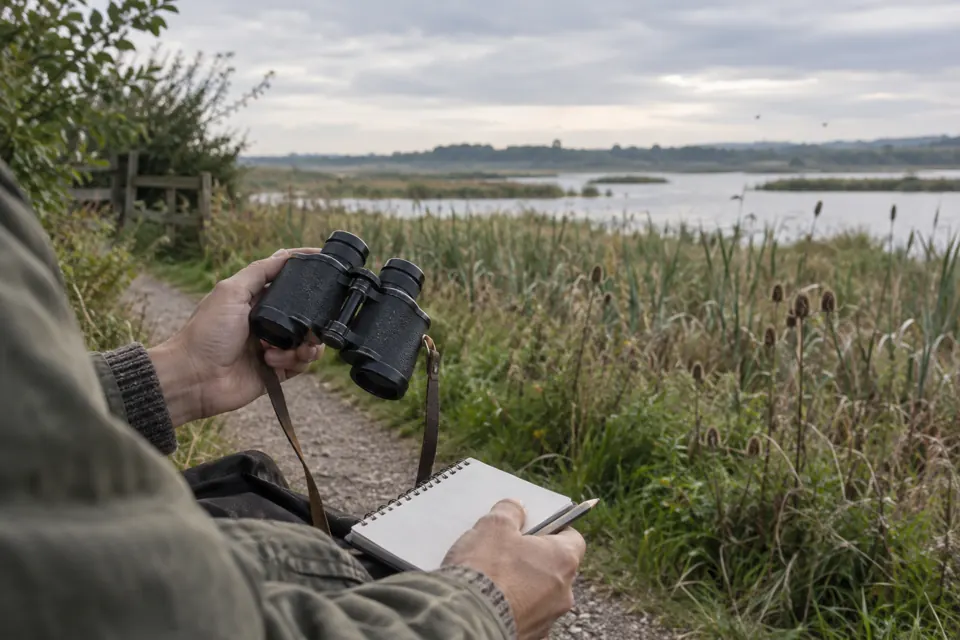
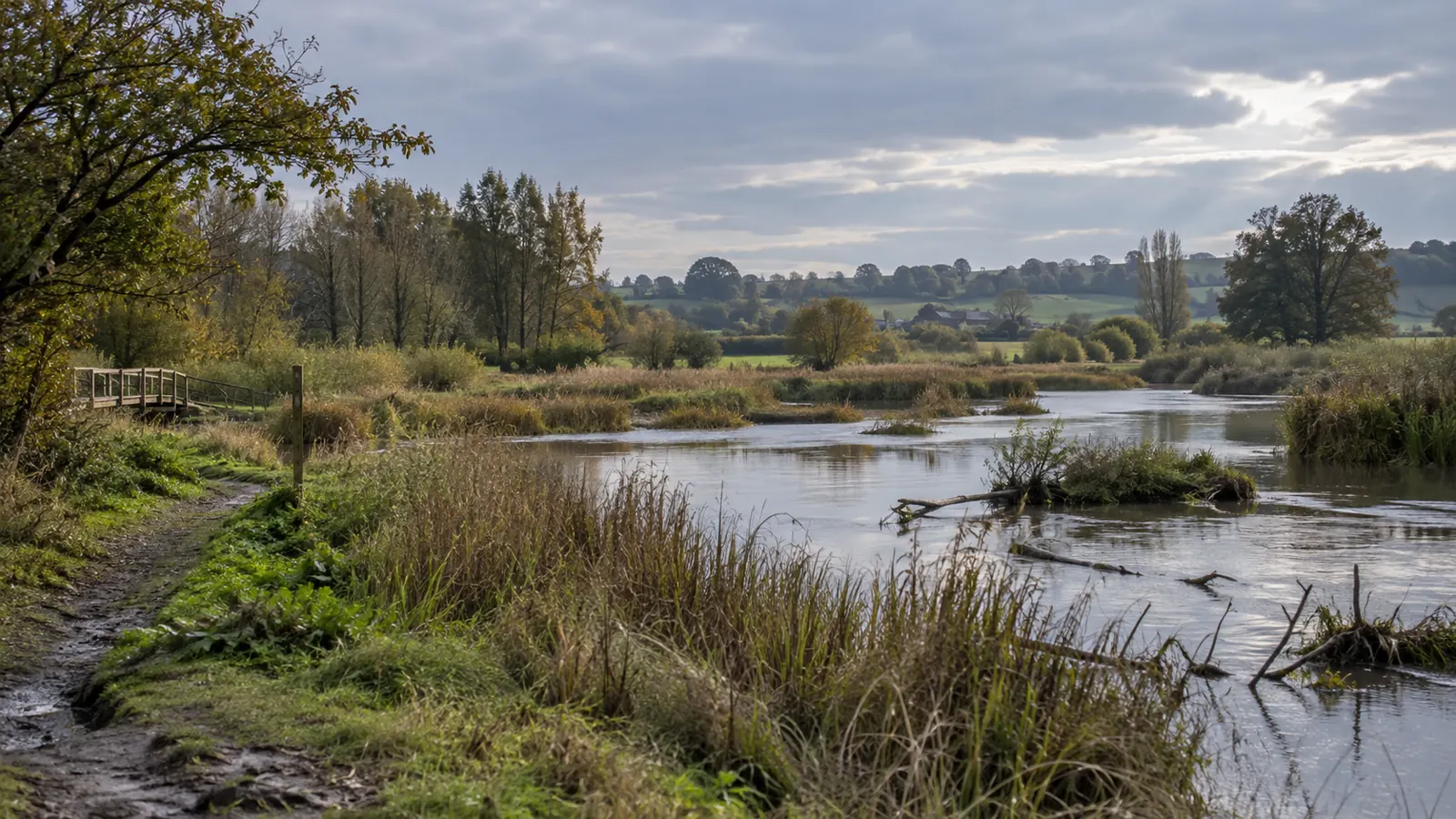
Citizen science is a way to notice species, seasons, and habitat without pretending one observation tells the whole ecological story.
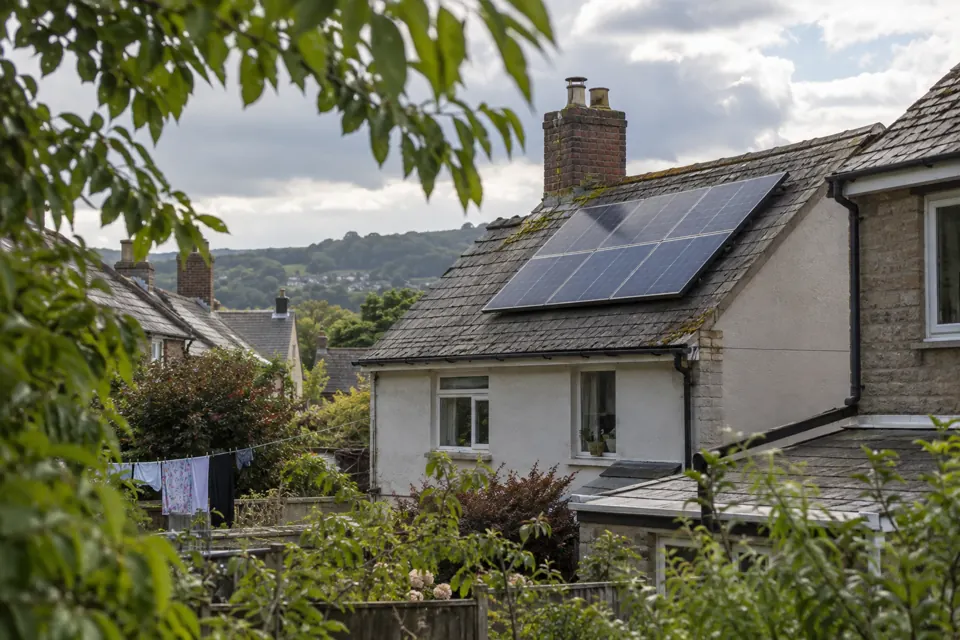
A simple way to understand renewable generation, electricity demand, and why a changing mix still needs practical local choices.
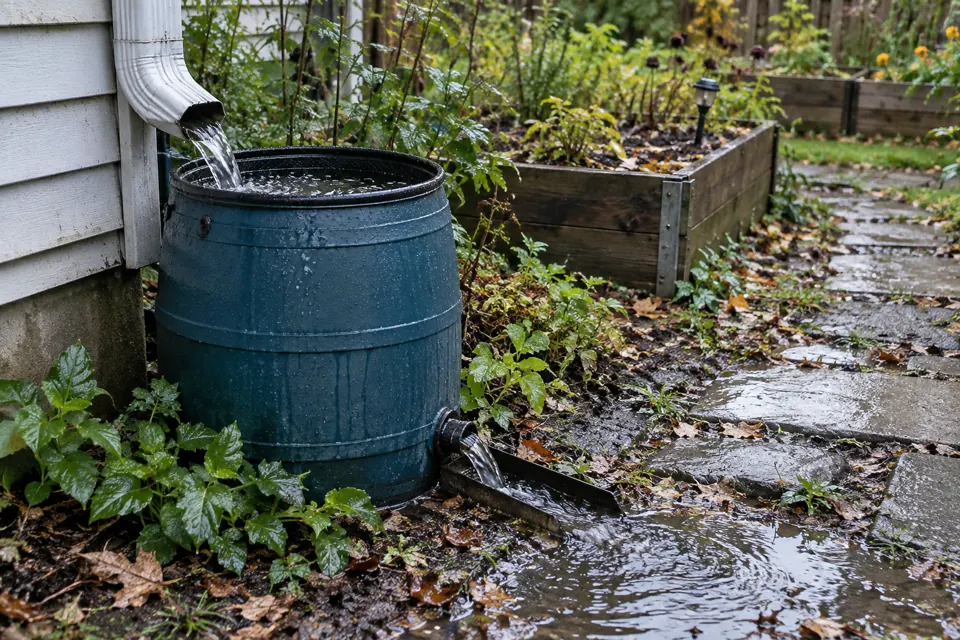
Water stress describes pressure on available resources; it is useful context, but it is not a measure of whether tap water is safe to drink.
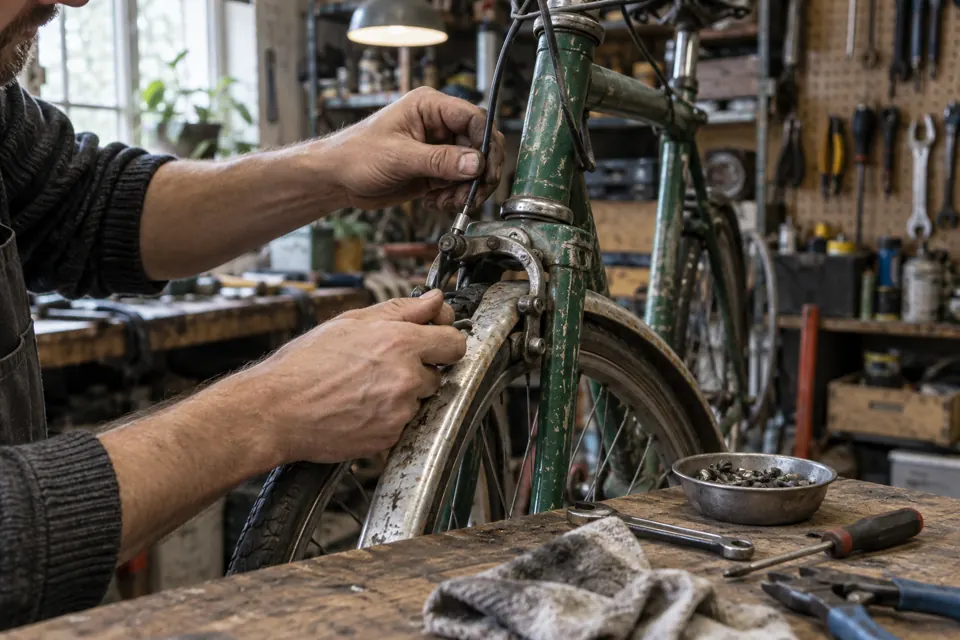
Keeping products useful depends on skills, spare parts, access, and designs that make maintenance possible in the first place.
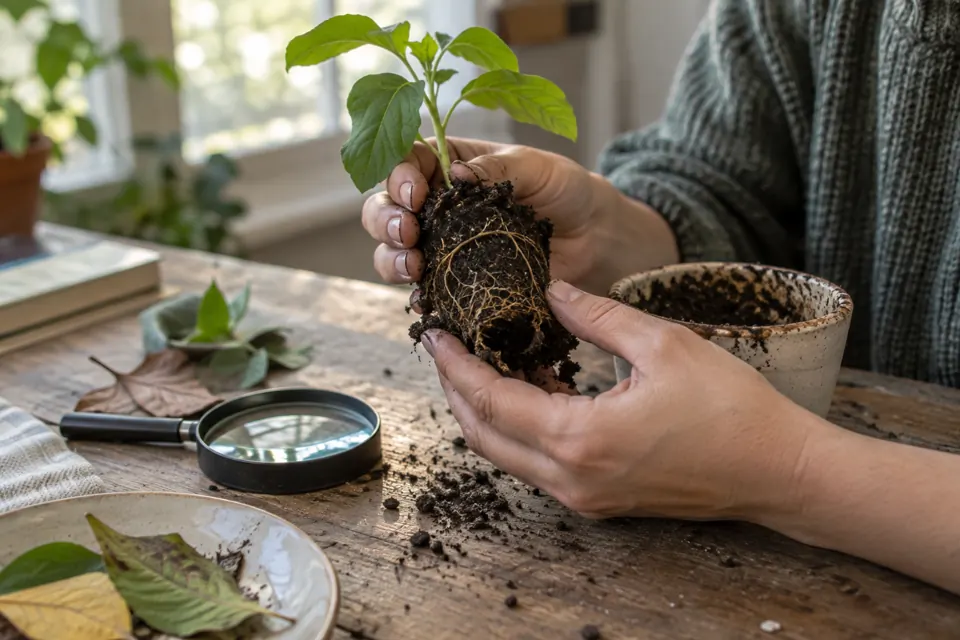
Plant residues, roots, compost, moisture, and living organisms work together over time; one product cannot replace observation and care.
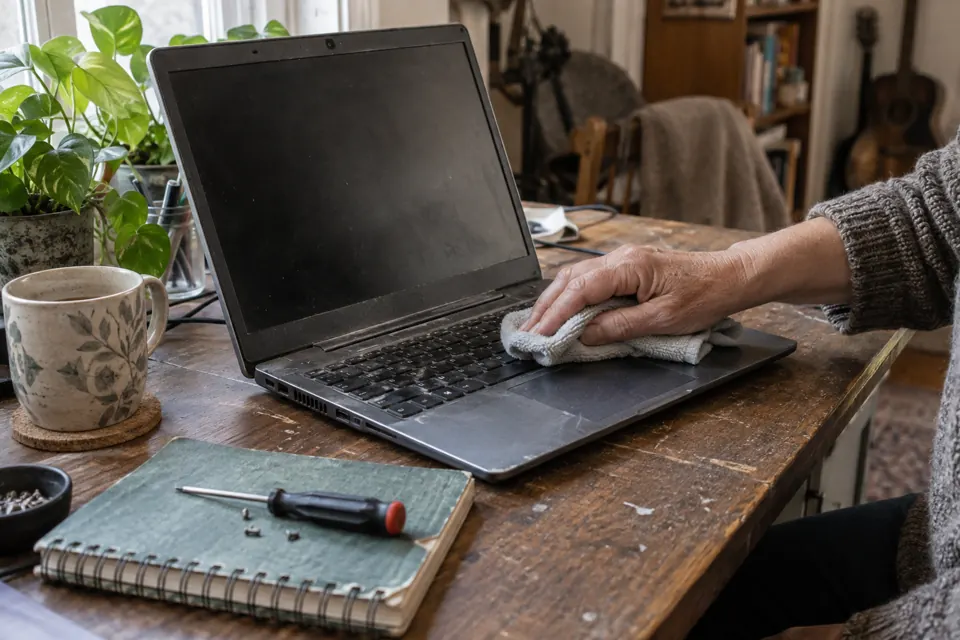
Web hosting, device life, data transfer, and design choices all matter—but estimates should be labelled as estimates, not presented as precise measurements.
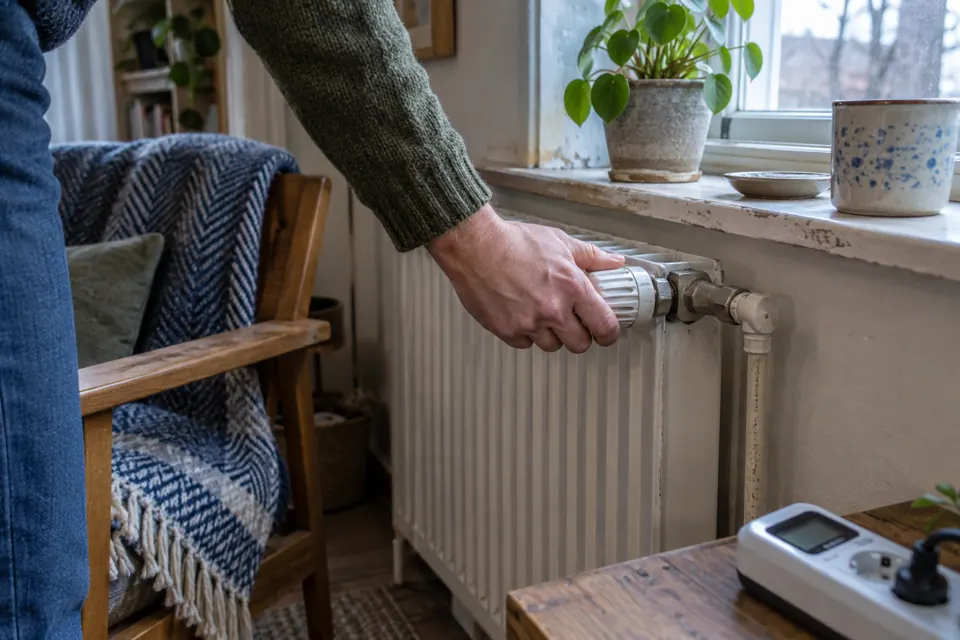
A model can show seasonal potential for a location, while roof orientation, shading, permissions, wiring, and an installer determine what is practical.
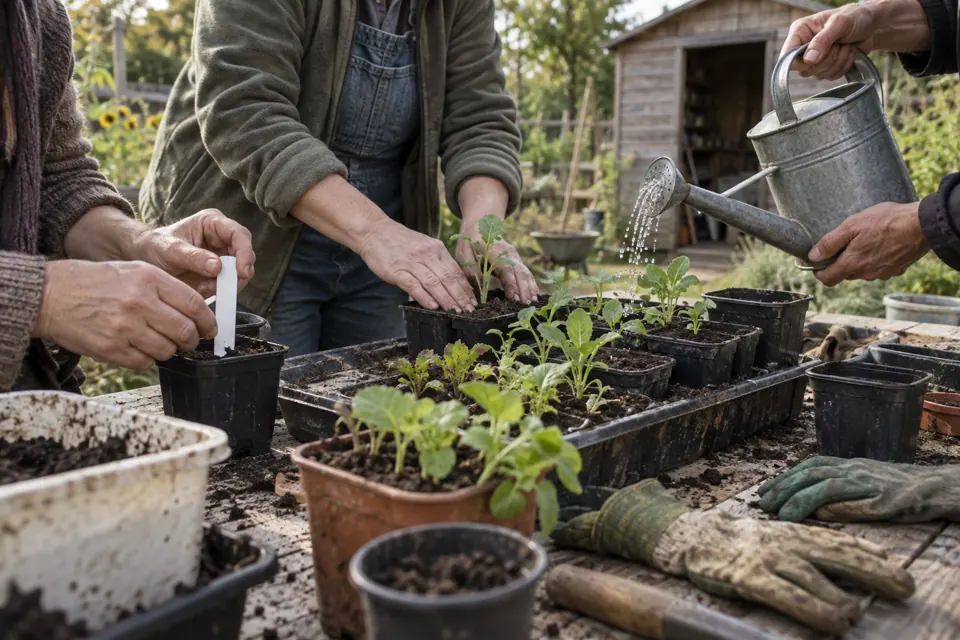
Citizen-science records can help us notice species and seasons while still leaving room for uneven observation effort and missing data.